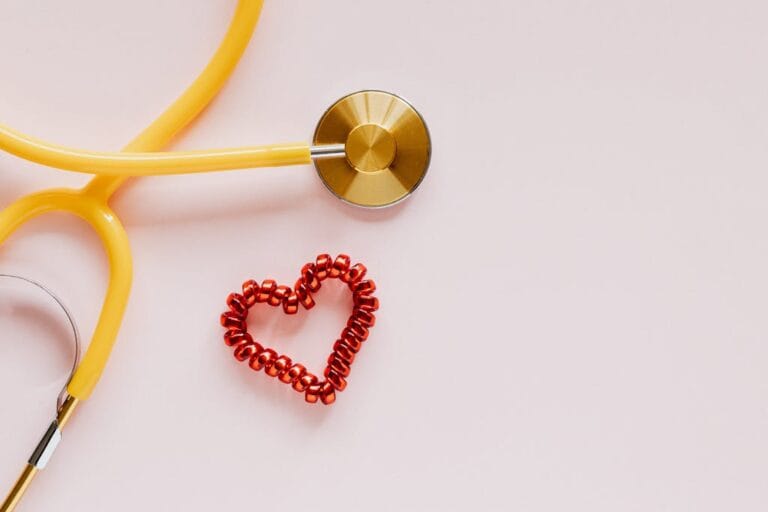
Stress Less, Live Longer
We’ve all been there—deadlines looming, family demands mounting, and that familiar tightness creeping into your chest. Your heart beats a little faster, your breathing becomes shallow, and suddenly you’re wondering if that extra cup of coffee was really a good idea.
What if I told you that these moments of stress aren’t just uncomfortable—they could be slowly compromising your heart health?
The Heart-Stress Connection: More Than Just Feeling Frazzled
Your amazing heart—that fist-sized miracle pumping away in your chest—has a complicated relationship with stress. When stress hormones like cortisol and adrenaline flood your system, they’re essentially putting your heart on high alert. Blood pressure rises, inflammation increases, and your blood becomes more likely to clot—a perfect storm for cardiovascular issues.
Research conducted by the American Psychological Association has consistently shown that chronic stress is linked to higher blood pressure, increased inflammation, elevated cholesterol levels, and a greater risk of heart attack and stroke (APA, 2021).
But here’s the good news: your body knows how to heal. It just needs your help to create the conditions for heart health to flourish.
(Important Note: At Heart Surgery Gifts, we are committed to providing helpful information and resources. To support our work, we may include affiliate links to products and services that we believe can be valuable to you. Clicking on these links may result in us earning a small commission, at no extra cost to you. Thank you for supporting our mission!)t in us earning a small commission, at no extra cost to you. Thank you for supporting our mission!)

Easy Peasy Stress-Busting Techniques: Finding What Works for You
The beauty of stress management is that there’s no one-size-fits-all solution. Experiment with different techniques and find what resonates with you. Here are a few to get you started:
Easy tip: Try the 4-7-8 technique: inhale deeply through your nose for 4 seconds, hold your breath for 7 seconds, and exhale slowly through your mouth for 8 seconds. Repeat several times.
1. Meditation: Finding Your Inner Zen (Even if It’s Just for 5 Minutes!)
How it helps: Meditation calms the mind, reduces anxiety, and lowers heart rate and blood pressure. According to the Mayo Clinic, regular meditation can also improve heart health by promoting relaxation and lowering stress (Mayo Clinic, 2023).
Easy tip: Start with just 5 minutes a day. Find a quiet spot, close your eyes, and focus on your breath. There are tons of free guided meditation apps available.
2. Movement as Medicine
Your heart doesn’t just need exercise—it craves movement that brings you joy, such as walking in your neighborhood while noticing the little wonders around you. Dancing in your kitchen to a song that lifts your mood or trying gentle yoga that reminds you how good it feels to stretch and breathe.
The American Heart Association suggests that 30 minutes of moderate movement five days a week can reduce your risk of heart disease by up to 30% (AHA, 2023). The key is consistency, not intensity.
3. Nature’s Healing Embrace
There’s a reason we instinctively sigh with relief when we step into natural settings. Studies show that spending just 20 minutes in nature significantly lowers cortisol levels (University of Exeter, 2019).
Your heart-healthy prescription: Find your patch of green. It doesn’t need to be a vast wilderness—a local park, a tree-lined street, or even a windowsill garden can provide nature’s stress-relieving benefits.
4. Mindfulness—Coming Home to Now
Stress often lives in thoughts about the past or future. Mindfulness gently brings you back to the present moment, where things are usually okay.
Try this heart-centered mindfulness practice: Close your eyes and imagine your heart bathed in warm, healing light. With each breath, picture this light growing stronger, soothing any tension or worry. Simply rest your attention on the sensations in your chest area for 3-5 minutes.
Regular mindfulness practice has been shown to reduce blood pressure and improve heart rate variability—a key marker of cardiovascular health (Harvard Health Publishing, 2021).
5. Connection—The Heart’s True Nourishment
Perhaps nothing soothes our stress response quite like genuine human connection. Whether it’s a deep conversation with a trusted friend, a lingering hug with a loved one, or laughter shared over a meal, positive social interactions release oxytocin—a hormone that directly benefits your heart (National Institutes of Health, 2022).
Make time each day for meaningful connection. Your heart will thank you.
Small Steps, Big Heart Benefits
The beauty of heart-healthy stress management is that small, consistent actions yield powerful results. You don’t need to overhaul your entire life or spend hours in meditation. Start with just one technique that resonates with you, practice it daily for a week, and notice the difference.
Remember that your heart has been with you since before you were born, beating steadily through every joy and challenge. By managing your stress, you’re not just adding years to your life—you’re adding life to your years.
Your heart deserves that kind of love. And so do you.
Disclaimer:This blog post is for informational purposes only and should not be considered medical advice. Always consult with your healthcare provider for diagnosis and treatment of any medical condition.
Thank You for Choosing Heart Surgery Gifts
Sources:
- American Psychological Association. (2021). Stress and Its Impact on Your Heart. Link
- Mayo Clinic. (2023). Meditation: A Simple, Fast Way to Reduce Stress. Link
- American Heart Association. (2023). AHA Recommendations for Physical Activity in Adults. Link
- University of Exeter. (2019). Nature’s Impact on Health. Link
- Harvard Health Publishing. (2021). Mindfulness Meditation and Heart Health. Link
- National Institutes of Health. (2022). Oxytocin and Heart Health. Link