
The Ultimate Guide to Heart-Healthy Eating: Delicious Recipes and Simple Swaps
Alright, buckle up, buttercups! Let’s dive into the delicious world of heart-healthy eating. We’re not talking about bland, boring rabbit food here. We’re talking vibrant flavors, satisfying textures, and meals that make your heart sing (in a healthy, steady rhythm, of course!). This is The Ultimate Guide to Heart-Healthy Eating, and we’re ditching the deprivation for pure, unadulterated culinary joy.
Let’s be honest: thinking about changing your eating habits can feel daunting. Maybe you’ve tried “dieting” before and ended up feeling hungry, restricted, and, frankly, miserable. Forget all that noise! This isn’t about deprivation; it’s about making smart swaps and embracing the abundance of delicious, heart-loving foods out there.
(Important Note: At Heart Surgery Gifts, we are committed to providing helpful information and resources. To support our work, we may include affiliate links to products and services that we believe can be valuable to you. Clicking on these links may result in us earning a small commission, at no extra cost to you. Thank you for supporting our mission!)
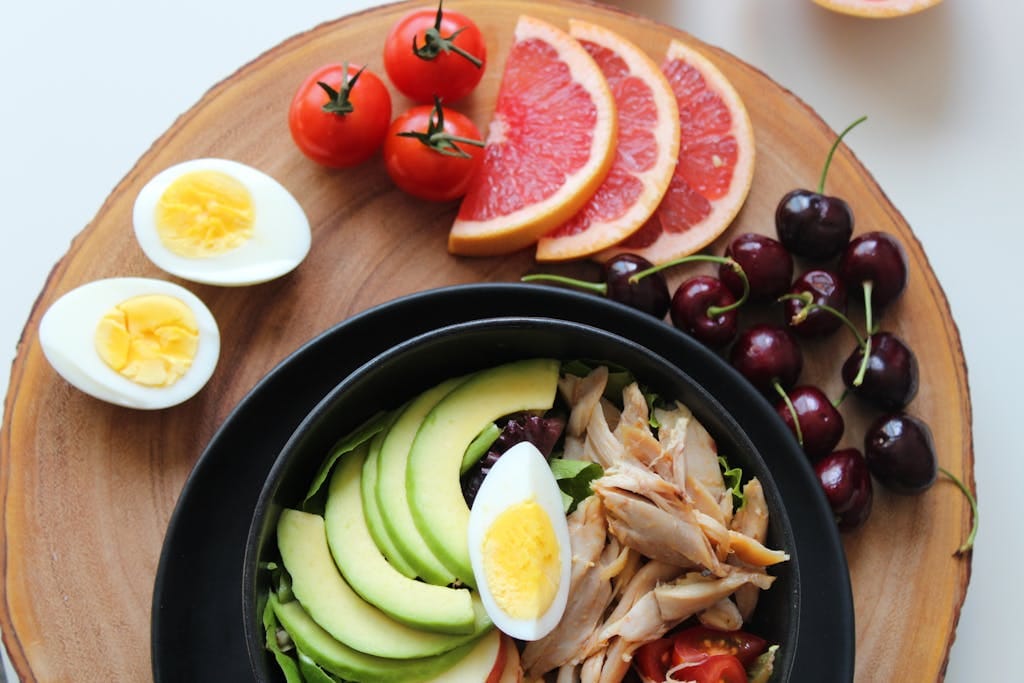
Heart Health and Diet
When it comes to caring for your heart, what you put on your plate matters—a lot. In my experience working with families of heart surgery patients, one common concern is balancing nutritional requirements with enjoyable meals. Trust me, it’s possible and quite achievable. According to a study published in the Journal of the American Heart Association, dietary modifications can significantly reduce post-operative complications. But here’s the wonderful truth that many people miss: heart-healthy eating doesn’t mean bland, boring food or saying goodbye to the meals you love. It’s about embracing vibrant flavors, discovering new favorites, and making small adjustments that add up to big benefits for your heart.
I’ve walked this journey with many people who feared that protecting their heart meant sacrificing enjoyment at the dinner table. Nothing could be further from the truth! Let me show you how heart-healthy eating can be both nourishing and delightful.
Heart-Smart Eating: It’s Easier Than You Think!
Sometimes, the idea of “heart-healthy eating” can feel a bit… restrictive. Like saying goodbye to all the good stuff. But trust me, it’s all about making smart, joyful choices, not deprivation! It’s about abundance – filling your plate with vibrant flavors and ingredients that make your heart sing.
Here are a few simple principles to keep in mind, think of them as gentle guidelines rather than strict rules:
- Embrace the Rainbow of Fruits and Veggies: Seriously, pile them high! Think juicy berries, crisp greens, vibrant peppers, and sweet potatoes. They’re packed with vitamins, minerals, and fiber – your heart’s best friends. Aim for variety and color in every meal.
- Whole Grains are Your Allies: Swap out refined grains (like white bread and pasta) for whole grains (like whole wheat bread, brown rice, quinoa, and oats). They keep you feeling full longer and are loaded with fiber, which helps manage cholesterol.
- Lean Proteins, Big Flavor: Choose lean protein sources like fish, poultry (skinless), beans, lentils, and tofu. These provide the building blocks your body needs without the extra saturated fat that can clog things up.
- Healthy Fats? Yes, Please!: Not all fats are the enemy! Embrace healthy fats from sources like avocados, nuts, seeds, olive oil, and fatty fish (like salmon). These fats are actually good for your heart, helping to raise good cholesterol and lower the bad.
- Sodium Savvy: Keep an eye on sodium (salt) intake. Too much can raise blood pressure. Get creative with herbs, spices, and citrus to flavor your food instead of relying heavily on salt. Read labels and choose lower-sodium options when possible.
- Limit the Sweet Stuff and Processed Foods: We all love a treat now and then, but try to limit sugary drinks, processed snacks, and overly processed foods. They often come with hidden unhealthy fats, sugars, and sodium.
Pantry Makeover: Simple Swaps with Big Impact
Let’s start with some simple substitutions that can transform your favorite recipes. These changes are not just theoretical; they come from my own kitchen where I’ve helped transition family meals post-surgery to healthier versions. The Mayo Clinic recommends these heart-healthy swaps to manage cholesterol and improve cardiovascular health.
| Instead of This | Try This | Why It Helps |
|---|---|---|
| Butter | Olive oil or avocado oil | Reduces saturated fat, adds healthy fats |
| Salt | Herbs, spices, citrus | Reduces sodium while enhancing flavor |
| White bread | Whole grain bread | Adds fiber and nutrients |
| Ground beef (80% lean) | Ground turkey or 95% lean beef | Reduces saturated fat |
| Sour cream | Greek yogurt | Reduces fat, adds protein |
| Cream in soups | Puréed white beans or cauliflower | Adds creaminess with fiber, not fat |
| Mayo | Mashed avocado | Replaces unhealthy fats with heart-healthy ones |
| Refined sugar | Cinnamon, vanilla, fruit | Reduces added sugars |
These swaps aren’t about deprivation—they’re about upgrading your meals with ingredients that love your heart back.
Breakfast: Start Your Day with Heart
Morning meals set the tone for your entire day. Try these heart-healthy options:
Overnight Oats with Berries
- ½ cup rolled oats
- ½ cup low-fat milk or unsweetened plant milk
- 1 tablespoon chia seeds
- ½ cup berries
- 1 tablespoon chopped walnuts
- Dash of cinnamon
Mix everything except berries in a jar, refrigerate overnight, and top with berries in the morning. The soluble fiber in oats helps lower cholesterol, while berries add antioxidants.
Mediterranean Veggie Egg Muffins
- 6 eggs
- 1 cup chopped vegetables (spinach, bell peppers, tomatoes)
- 2 tablespoons feta cheese
- Fresh herbs (basil, oregano)
- Pepper to taste
Whisk eggs, fold in vegetables and herbs, pour into muffin tin, top with a sprinkle of feta, and bake at 350°F for 20 minutes. Perfect for meal prep!
Lunch: Midday Meals with Heart
Hearty Bean and Vegetable Soup
- 1 can low-sodium beans (any variety)
- 4 cups low-sodium vegetable broth
- 2 cups mixed vegetables
- 2 cloves garlic, minced
- Herbs and spices to taste
- 1 tablespoon olive oil
Sauté garlic in olive oil, add vegetables, broth, beans, and seasonings. Simmer until vegetables are tender. The fiber in beans helps reduce cholesterol, while vegetables add nutrients without excess calories.
Mediterranean Grain Bowl
- ½ cup cooked quinoa or farro
- ¼ cup chickpeas
- 1 cup roasted vegetables
- 2 tablespoons hummus
- Fresh lemon juice
- Small handful of fresh greens
- 1 tablespoon pumpkin seeds
Arrange all ingredients in a bowl and drizzle with lemon juice. This balanced meal provides fiber, plant protein, and heart-healthy fats.
Dinner: Evening Meals for Heart Health
Sheet Pan Salmon with Roasted Vegetables
- 4 oz salmon fillet
- 2 cups vegetables (Brussels sprouts, sweet potatoes, bell peppers)
- 1 tablespoon olive oil
- Herbs, garlic, and lemon
- Pepper to taste
Toss vegetables in olive oil and seasonings, spread on sheet pan, add salmon, and bake at 400°F for 15-20 minutes. Salmon provides omega-3 fatty acids that help reduce inflammation and support heart rhythm.
Veggie and Bean Tacos
- Whole grain or corn tortillas
- 1 cup black beans, mashed with spices
- 2 cups sautéed peppers and onions
- ¼ avocado, sliced
- Fresh cilantro and lime
- 2 tablespoons salsa
Warm tortillas, spread with beans, and top with vegetables, avocado, and salsa. A plant-forward meal that’s rich in fiber and heart-healthy fats.
Snacks That Love Your Heart
- Apple slices with 1 tablespoon almond butter
- ¼ cup unsalted nuts and a piece of fruit
- 1 cup raw vegetables with 2 tablespoons hummus
- ¼ cup roasted chickpeas with spices
- 3 cups air-popped popcorn with herbs
- Greek yogurt with berries
Desserts: Sweet Treats with Heart Benefits
Berry Crisp
- 2 cups mixed berries
- 2 tablespoons maple syrup
- ½ cup rolled oats
- 2 tablespoons chopped nuts
- 1 tablespoon olive oil
- ½ teaspoon cinnamon
Mix berries with 1 tablespoon maple syrup in a baking dish. Combine remaining ingredients for topping, sprinkle over berries, and bake at 350°F for 25 minutes. The antioxidants in berries actually support heart health while satisfying your sweet tooth.
Dark Chocolate Avocado Mousse
- 1 ripe avocado
- 3 tablespoons unsweetened cocoa powder
- 3 tablespoons maple syrup
- ¼ cup almond milk
- ½ teaspoon vanilla extract
- Pinch of salt
Blend all ingredients until smooth. Chill for at least 30 minutes. The healthy fats from avocado create a creamy texture, while cocoa provides flavanols that support vascular health.
Beyond the Recipes: Heart-Healthy Eating Principles
Remember these guiding principles:
- Eat the rainbow – Different colored fruits and vegetables provide different heart-protective nutrients
- Think plant-forward – Make plants the stars of your meals, with smaller amounts of animal products
- Celebrate healthy fats – Avocados, nuts, seeds, and olive oil are your heart’s friends
- Make friends with your spice cabinet – Herbs and spices add flavor without sodium
- Practice mindful eating – Slow down, savor each bite, and listen to your body’s hunger cues
A Note from the Heart
Caring for your heart through food isn’t about perfection—it’s about progress. Each heart-healthy choice you make is a gift to yourself and those who love you. There’s room for occasional indulgences in a heart-healthy lifestyle, so don’t think of foods as “forbidden.” Instead, focus on filling your plate with nourishing options most of the time.
The joy of eating isn’t just in the momentary pleasure of taste—it’s in knowing you’re nourishing the incredible organ that keeps you alive every single day. Your heart works tirelessly for you; return the favor by feeding it well.
What heart-healthy recipe will you try first? Whatever you choose, approach it with curiosity and openness. Your taste buds and your heart will thank you.
Our recommendations are based on guidelines from the following sources and input from our own experinces with healthcare professionals specializing in cardiac care.
Sources
Healthline: Offers guidance on the best food groups to consume post-heart bypass surgery, including fruits, vegetables, nuts, legumes, fatty fish, and grass-fed meat and dairy. healthline.com
Mayo Clinic: Provides heart-healthy menus emphasizing lean proteins, vegetables, fruits, and whole grains, while advising the limitation of high-fat foods like red meat, cheese, and baked goods. mayoclinic.org
National Health Service (NHS), UK: Recommends a healthy diet post-coronary artery bypass graft, focusing on starchy foods, fruits, vegetables, and oily fish, while advising the reduction of saturated fats and salt. nhs.uk+1healthline.com+1
Cleveland Clinic: Discusses the importance of a healthy diet after heart surgery, suggesting the consumption of lean meats, fish, skinless poultry, and the use of cooking methods that require little or no fat. openheart.net
Disclaimer: This blog post is for informational purposes only and should not be considered medical advice. Always consult with your healthcare provider for diagnosis and treatment of any medical condition.